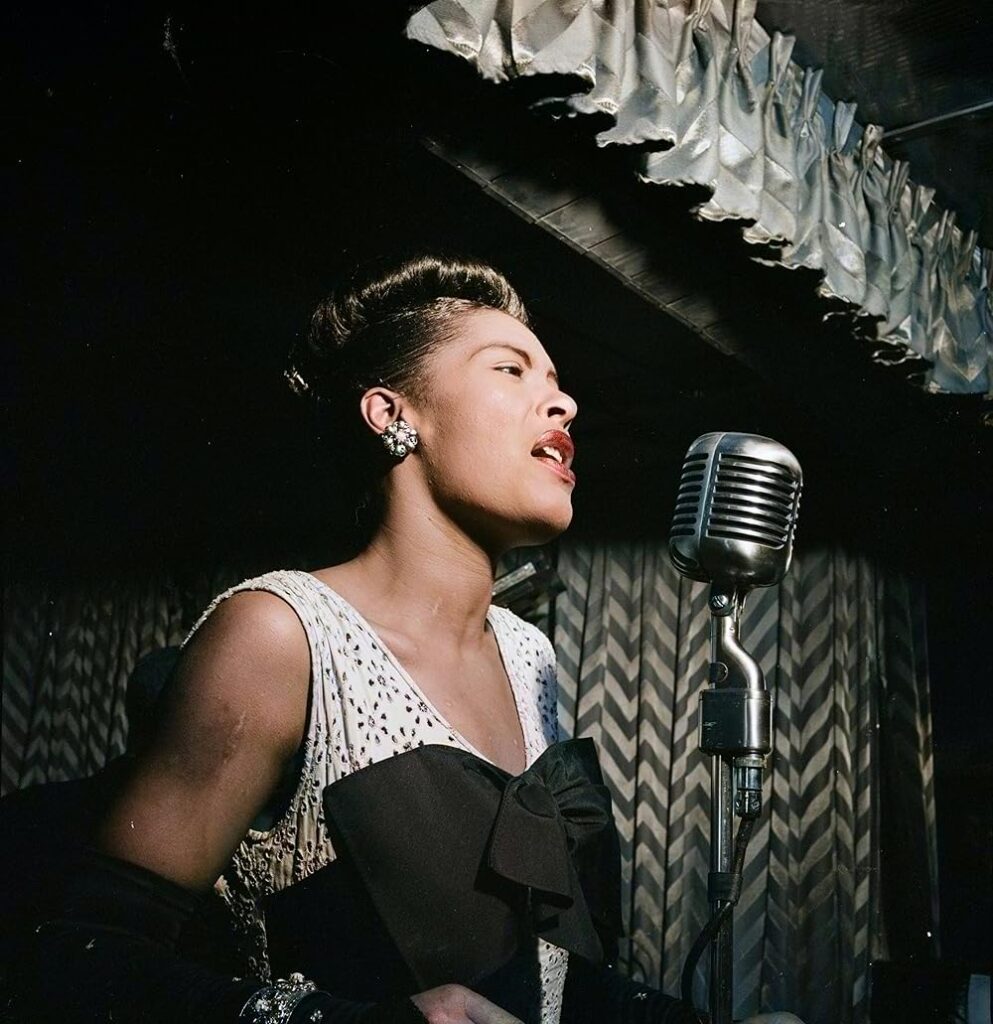


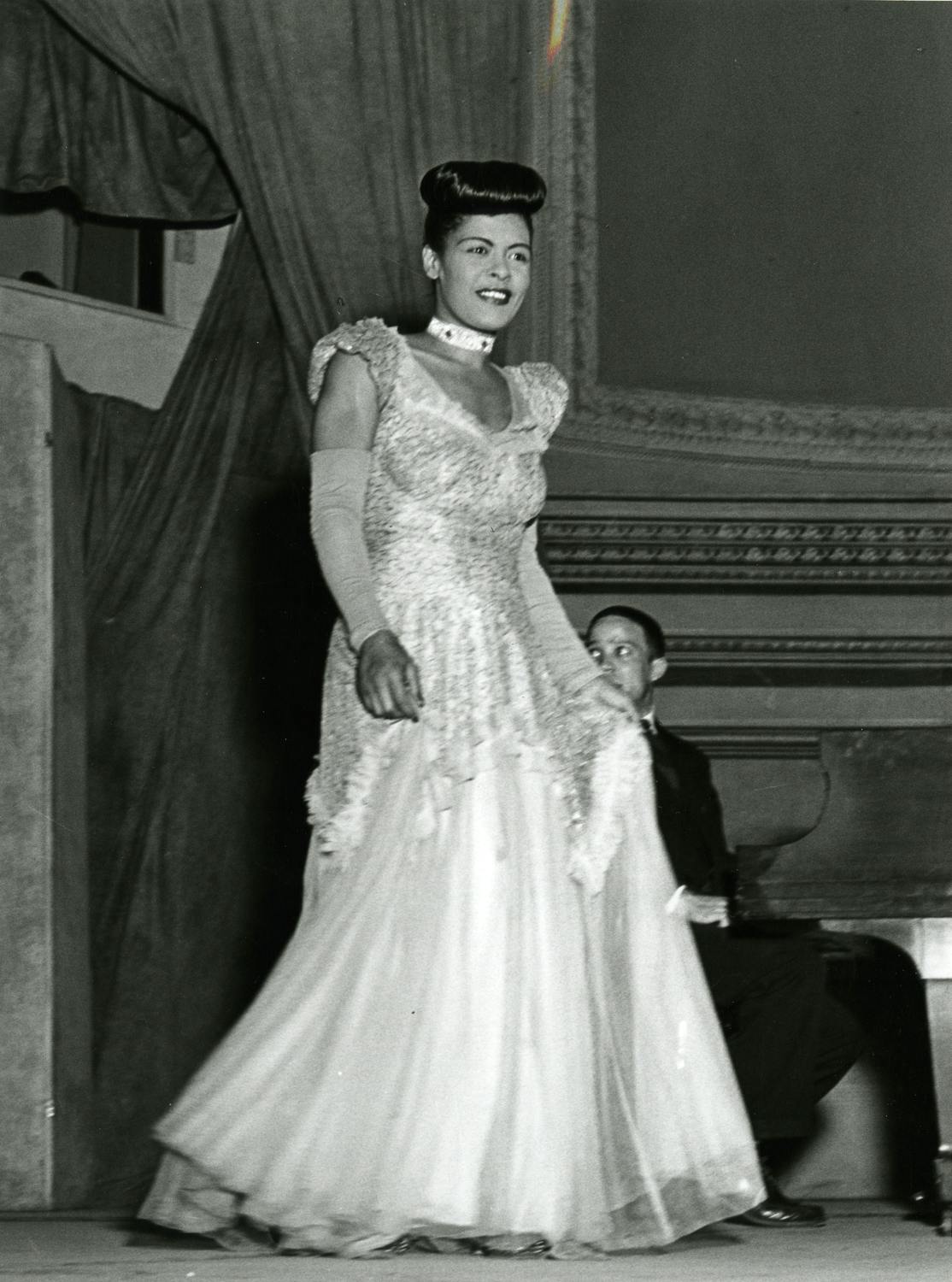


Few voices in American music history carry the emotional depth and haunting beauty of Billie Holiday. Known as “Lady Day,” Billie Holiday remains one of the most influential jazz singers of all time, shaping the sound of jazz, blues, and popular music with her deeply expressive vocal style. Her life story—marked by brilliance, hardship, and resilience—continues to captivate audiences and inspire generations of artists.
Early Life and Musical Beginnings
Billie Holiday was born Eleanora Fagan on April 7, 1915, in Philadelphia and raised primarily in Baltimore. Her early years were filled with poverty and instability, experiences that would later shape the emotional authenticity of her music. As a young girl, Holiday found solace in music, particularly in the recordings of jazz legends like Louis Armstrong and Bessie Smith.
Holiday moved to New York City in the early 1930s, where she began singing in Harlem nightclubs. It was there that her talent was discovered by producer John Hammond, who helped launch her recording career. Her early collaborations with pianist Teddy Wilson brought her into the spotlight and introduced her unique vocal phrasing to a wider audience.
Rise to Fame in the Jazz Era
During the late 1930s and 1940s, Billie Holiday became a defining voice of the jazz era. She recorded with some of the greatest musicians of the time, including Count Basie and Artie Shaw. Her ability to reinterpret melodies and deliver lyrics with raw emotion set her apart from other singers.
Holiday’s signature style included subtle timing, behind-the-beat phrasing, and a deeply personal connection to the songs she performed. Hits like “God Bless the Child,” “Lover Man,” and “Don’t Explain” became jazz standards and remain widely celebrated today.
One of her most powerful recordings, the protest song “Strange Fruit,” addressed the horrors of racial violence in America. Released in 1939, it is widely regarded as one of the most important songs in American music history, cementing Holiday’s legacy not just as a singer, but as a voice for social change.
Signature Style and Musical Influence
Billie Holiday’s voice was not traditionally powerful, but it was unmistakably expressive. She had an extraordinary ability to convey heartbreak, longing, and vulnerability, making listeners feel every word she sang. Her use of phrasing—often bending notes and stretching lyrics—redefined jazz singing.
Holiday influenced countless artists across genres, including Frank Sinatra, who credited her as a major inspiration for his own vocal delivery. Modern artists continue to draw from her style, recognizing her as a pioneer of emotional storytelling in music.
Her signature look—featuring a white gardenia flower in her hair—became an iconic symbol of elegance and individuality in the jazz world.
Personal Struggles and Challenges
Despite her professional success, Billie Holiday faced significant personal challenges throughout her life. She struggled with substance abuse, legal issues, and abusive relationships. These hardships often overshadowed her career and affected her health.
In 1947, Holiday was arrested on drug charges, which led to the loss of her cabaret card—effectively preventing her from performing in New York City clubs. This setback forced her to shift her performances to concert venues, including a historic sold-out show at Carnegie Hall.
Her autobiography, Lady Sings the Blues, offers a candid look into her life, though some details have been debated by historians.
Later Years and Lasting Legacy
Billie Holiday’s later years were marked by declining health, but she continued to perform and record. Her voice, though weathered, gained a deeper emotional resonance that captivated audiences. Songs from her later recordings reflect a lifetime of experience and pain.
Holiday passed away on July 17, 1959, in New York City at the age of 44. Despite her relatively short life, her impact on music remains immeasurable.
Today, Billie Holiday is remembered as one of the greatest jazz vocalists in history. She has been inducted into multiple music halls of fame and has received numerous posthumous honors, including Grammy Hall of Fame awards.
Billie Holiday’s Enduring Influence in Jazz and Popular Music
Billie Holiday’s legacy continues to thrive in modern music, jazz education, and cultural history. Her recordings are essential listening for fans of jazz, blues, and classic American music. Songs like “Strange Fruit” and “God Bless the Child” are still studied for their artistic and historical significance.
Her life story has been portrayed in films, documentaries, and stage productions, ensuring that new generations discover her music and legacy. Holiday’s influence extends far beyond jazz, impacting soul, R&B, and even contemporary pop vocal styles.
For anyone exploring the history of jazz music, Billie Holiday stands as a central figure—a singer whose voice transcended time, genre, and circumstance.