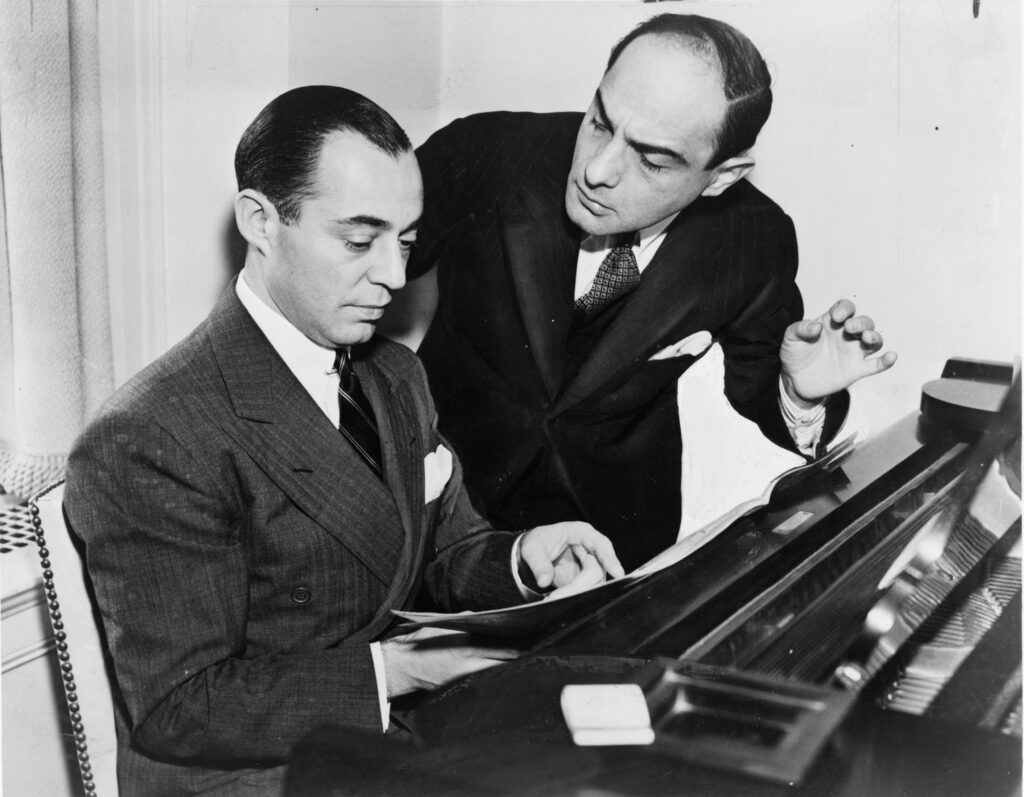


The names Richard Rodgers and Lorenz Hart are forever etched into the fabric of American popular music and Broadway history. As one of the most influential songwriting teams of the 20th century, Rodgers and Hart revolutionized musical theater with their witty lyrics, sophisticated melodies, and emotionally resonant storytelling.
Richard Rodgers was born in New York City in 1902 and showed musical talent at an early age. Lorenz Hart, seven years older, was also a New York native known for his sharp intellect and poetic sensibility. The two met at Columbia University, where their creative partnership began to flourish. This meeting would ultimately change the course of American musical theater forever.
Rise to Fame on Broadway


Rodgers and Hart first found success in the 1920s, a vibrant era for Broadway. Their early collaborations included musicals like The Garrick Gaieties and A Connecticut Yankee. However, it was their later works that cemented their legacy.
Their 1937 musical Babes in Arms introduced audiences to unforgettable songs such as “My Funny Valentine” and “The Lady Is a Tramp.” These songs quickly became jazz standards, recorded by legends like Frank Sinatra and Ella Fitzgerald.
The duo had a unique ability to blend humor with heartbreak. Hart’s clever, often bittersweet lyrics paired perfectly with Rodgers’ lush and memorable melodies. Together, they created songs that were not only entertaining but deeply human.
Signature Songs and Timeless Standards


Rodgers and Hart produced a remarkable catalog of songs that remain staples of the Jazz and American Songbook. Some of their most famous compositions include:
- “My Funny Valentine”
- “The Lady Is a Tramp”
- “Blue Moon”
- “Where or When”
- “Bewitched, Bothered and Bewildered”
“Blue Moon,” in particular, became a global hit and has been recorded by countless artists across generations. Their songs are known for their sophisticated chord progressions and emotionally rich lyrics, making them favorites among jazz musicians and vocalists.
Their work helped define what is now known as the Great American Songbook, influencing countless artists and composers who followed.
Hollywood Success and Expanding Influence


In addition to Broadway, Rodgers and Hart also made a significant impact in Hollywood. They wrote songs for films such as Love Me Tonight (1932), starring Maurice Chevalier. Their transition to film allowed their music to reach an even broader audience.
Hollywood embraced their sophisticated style, and their songs became integral to the golden age of movie musicals. Their ability to craft memorable melodies and clever lyrics translated seamlessly from stage to screen.
The Personal Struggles of Lorenz Hart


Despite their professional success, Lorenz Hart struggled with personal challenges, including alcoholism and depression. These struggles began to affect his ability to work consistently in the late 1930s and early 1940s.
Hart’s deeply emotional and often melancholic lyrics reflected his inner turmoil. Songs like “Bewitched, Bothered and Bewildered” reveal a vulnerability that resonated with audiences then and continues to do so today.
By the early 1940s, Hart’s health had declined significantly, making it difficult for the duo to maintain their prolific output.
The End of a Partnership and New Beginnings


The partnership between Rodgers and Hart came to an end shortly before Hart’s death in 1943. Afterward, Richard Rodgers went on to collaborate with Oscar Hammerstein II, forming another legendary duo: Rodgers and Hammerstein.
Together, they created groundbreaking musicals such as Oklahoma!, which marked a new era in musical theater. However, Rodgers never forgot his early partnership with Hart, which laid the foundation for his later success.
Lasting Legacy in Music and Culture


The influence of Rodgers and Hart on American music is immeasurable. Their songs continue to be performed, recorded, and celebrated worldwide. From jazz clubs to Broadway revivals, their work remains a cornerstone of the Great American Songbook.
Artists from Frank Sinatra to modern performers have kept their music alive, ensuring that new generations discover their brilliance.
Their legacy is defined by innovation, emotional depth, and timeless appeal. Rodgers and Hart didn’t just write songs—they crafted experiences that captured the complexities of love, life, and human emotion.
Why Rodgers and Hart Still Matter Today
For anyone interested in classic Broadway musicals, jazz standards, or the evolution of American popular music, Rodgers and Hart are essential listening. Their songs remain relevant because they speak to universal human experiences with honesty and artistry.
Whether you’re hearing “My Funny Valentine” for the first time or the hundredth, the magic of Rodgers and Hart endures—proof that great songwriting truly stands the test of time.