


Capitol Records stands as one of the most iconic and influential record labels in music history. Founded in 1942, Capitol Records helped define the sound of American popular music, launching legendary careers and producing timeless recordings across genres such as jazz, pop, rock, and classical. From groundbreaking studio innovations to a roster filled with superstars, Capitol Records has played a central role in shaping the global music industry.
The Formation of Capitol Records
Capitol Records was founded in 1942 by Johnny Mercer, Buddy DeSylva, and Glenn E. Wallichs in Los Angeles, California. At a time when most major record labels were based in New York City, Capitol Records became the first major label headquartered on the West Coast, helping to establish Hollywood as a major center for the recording industry.
Johnny Mercer, already a successful songwriter, envisioned a label that would give artists more creative freedom while producing high-quality recordings. Partnering with DeSylva and Wallichs, the trio built Capitol Records from the ground up, focusing on innovation, artist development, and strong distribution networks.
Early success came quickly, with hits from artists like Paul Whiteman and Margaret Whiting. Capitol Records distinguished itself by investing heavily in recording technology and marketing strategies, setting new standards in the music business.
The Iconic Capitol Tower and Expansion
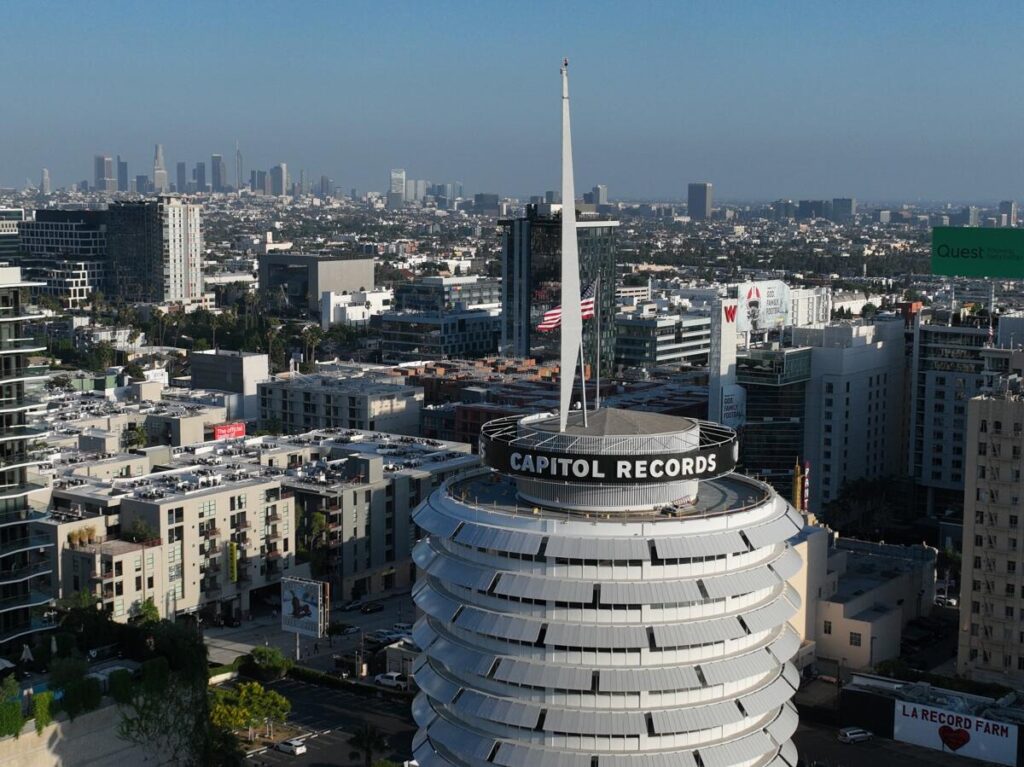
In 1956, Capitol Records opened its world-famous headquarters, the Capitol Records Tower in Hollywood, California. This circular building, often referred to as the “House That Nat Built,” became a symbol of the label’s success and influence.
The tower featured state-of-the-art recording studios that attracted top artists from around the world. Capitol’s engineering innovations helped produce cleaner, richer sound recordings, further elevating its reputation as a leader in audio excellence.
During the 1950s, Capitol Records expanded internationally after being acquired by the UK-based EMI. This partnership allowed Capitol to distribute music globally, making its artists household names across Europe, Asia, and beyond.
Legendary Artists of Capitol Records
Capitol Records is synonymous with some of the greatest artists in music history. The label became a powerhouse by signing and nurturing talent that would go on to define entire generations.
One of Capitol’s most important artists was Frank Sinatra, who joined the label in 1953. His recordings during this era, including classic albums like In the Wee Small Hours and Songs for Swingin’ Lovers!, are widely regarded as some of the finest vocal jazz and pop albums ever produced.
Another cornerstone artist was Nat King Cole, whose smooth voice and timeless hits like “Unforgettable” and “Mona Lisa” helped define Capitol’s early sound. Cole’s success played a major role in establishing the label’s reputation, even inspiring the nickname for the Capitol Tower.


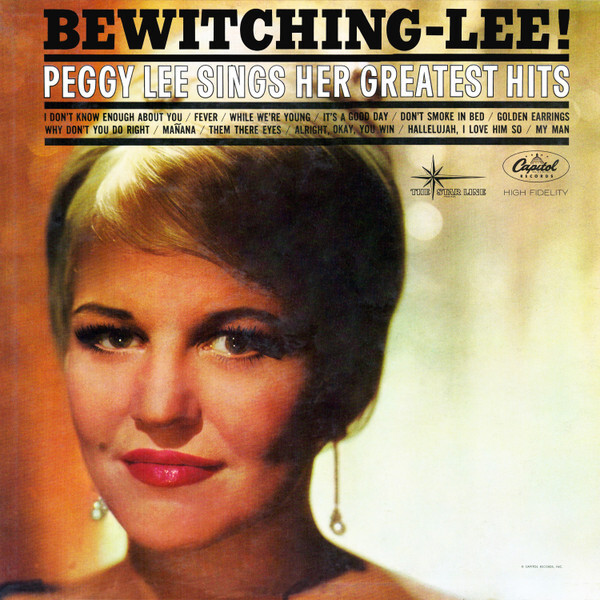
Capitol’s roster also included iconic artists such as Dean Martin, Peggy Lee, and Stan Kenton. Each contributed to the label’s dominance in traditional pop and jazz during the mid-20th century.
In the 1960s, Capitol Records expanded into rock and pop music with groundbreaking acts like The Beach Boys. Their landmark album Pet Sounds is considered one of the greatest albums of all time and showcased Capitol’s ability to adapt to changing musical trends.
Capitol also played a significant role in distributing music by The Beatles in the United States through its association with EMI. This move helped fuel Beatlemania and cemented Capitol’s place in rock history.
Innovation and Influence in the Music Industry
Capitol Records was known for its commitment to innovation. The label pioneered advancements in recording techniques, including multi-track recording and high-fidelity sound production. Its studios became a hub for experimentation, attracting producers and engineers eager to push creative boundaries.
Capitol also excelled in album packaging and marketing. The label understood the importance of branding and visual presentation, creating memorable album covers that complemented the music. This approach helped turn albums into complete artistic experiences rather than just collections of songs.
Additionally, Capitol Records was instrumental in developing the concept of the “album artist,” allowing musicians like Frank Sinatra to craft cohesive, thematic albums. This innovation changed how music was consumed and appreciated, influencing generations of artists and producers.
Capitol Records in the Modern Era
Today, Capitol Records remains a major force in the music industry. As part of Universal Music Group, the label continues to sign and promote top talent across multiple genres, including pop, hip-hop, and alternative music.
Modern Capitol artists include global superstars like Katy Perry, Sam Smith, and Halsey. These artists carry forward the legacy of innovation and excellence that has defined Capitol Records for decades.
The label has also embraced digital transformation, adapting to streaming platforms and new distribution methods while maintaining its commitment to artist development and high-quality production.
The Enduring Legacy of Capitol Records
Capitol Records’ legacy is deeply woven into the fabric of American and global music history. From its founding in 1942 to its continued success in the modern era, the label has consistently been at the forefront of musical innovation and cultural influence.
With a catalog that includes some of the most beloved recordings of all time and a history filled with legendary artists, Capitol Records remains a symbol of excellence in the recording industry. Its impact can be heard in everything from classic jazz standards to contemporary pop hits.
For music lovers, historians, and industry professionals alike, Capitol Records represents more than just a label—it is a cornerstone of the sound of America.