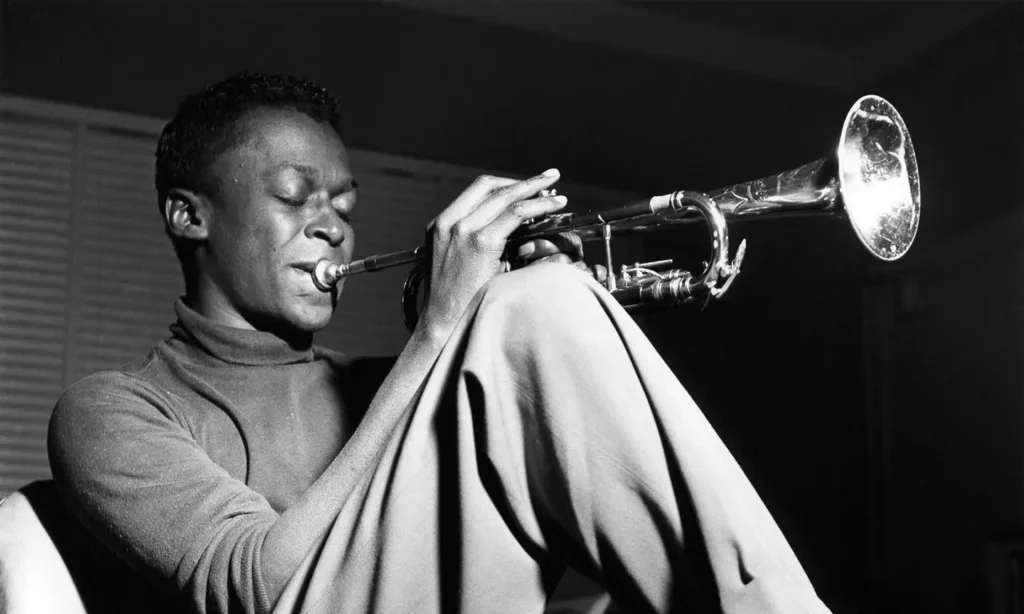

Miles Davis Jazz Trumpeter Who Revolutionized Cool Jazz, Bebop, and Fusion


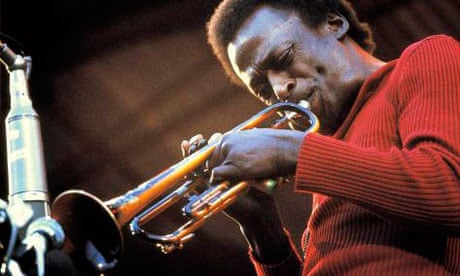


Few names in jazz history carry as much weight as Miles Davis. Widely regarded as one of the most influential musicians of the 20th century, Miles Davis transformed the landscape of jazz music, pioneering multiple styles including bebop, cool jazz, hard bop, modal jazz, and jazz fusion. His innovative approach to the trumpet and fearless experimentation made him a defining figure in American music and a lasting icon in global culture.
Born on May 26, 1926, in Alton, Illinois, Miles Dewey Davis III grew up in a middle-class family with a strong appreciation for music. He began playing the trumpet at age 13 and quickly developed a distinctive, muted tone that would later become his signature sound. In 1944, he moved to New York City to attend the prestigious Juilliard School, but his real education came from immersing himself in the thriving jazz scene of Harlem and 52nd Street.
During the mid-1940s, Miles Davis joined forces with legendary saxophonist Charlie Parker, becoming a key figure in the bebop movement. However, Davis soon grew tired of bebop’s fast tempos and complex chord changes, leading him to explore a more relaxed and melodic style. This shift resulted in the groundbreaking “Birth of the Cool” sessions (1949–1950), which helped define the cool jazz genre and showcased his forward-thinking musical vision.
Miles Davis reached new heights in 1959 with the release of Kind of Blue, widely considered the greatest jazz album of all time. Featuring collaborations with icons like John Coltrane and Bill Evans, the album introduced modal jazz, a revolutionary approach that emphasized scales over chord progressions. Tracks like “So What” and “Freddie Freeloader” remain staples of jazz and continue to influence musicians across genres.
Never one to remain static, Davis reinvented himself again in the late 1960s and early 1970s by embracing electric instruments and rock influences. Albums such as Bitches Brew ushered in the era of jazz fusion, blending jazz improvisation with funk, rock, and electronic sounds. This bold move expanded jazz’s audience and cemented Davis as a fearless innovator willing to challenge musical boundaries.
Throughout his career, Miles Davis collaborated with and mentored some of the greatest talents in jazz, including Herbie Hancock, Wayne Shorter, and Chick Corea. His bands became a launching pad for future legends, further amplifying his impact on the evolution of jazz.
Miles Davis passed away on September 28, 1991, but his legacy endures through his timeless recordings and groundbreaking contributions to music. With multiple Grammy Awards and induction into the Rock and Roll Hall of Fame, his influence spans generations and genres.
For jazz enthusiasts and newcomers alike, Miles Davis remains the ultimate symbol of creativity, innovation, and artistic evolution. His work continues to inspire musicians worldwide, making him not just a jazz legend, but a true pioneer of modern music.